A Parent’s Guide to Disability Benefits for Children: DLA, Carer’s Allowance, UC and More
1. Introduction It took me a long time to apply for any kind of disability benefits for me or my

I often get asked this, especially when people ask what I do for a job! Chewellery is jewellery that is made specifically for chewing. It comes in all different shapes, sizes and colours and at Oojamabobs, your chewy jewellery can come with lanyards in different designs too.
Chew jewellery is made from food grade silicone and is usually worn around the neck.
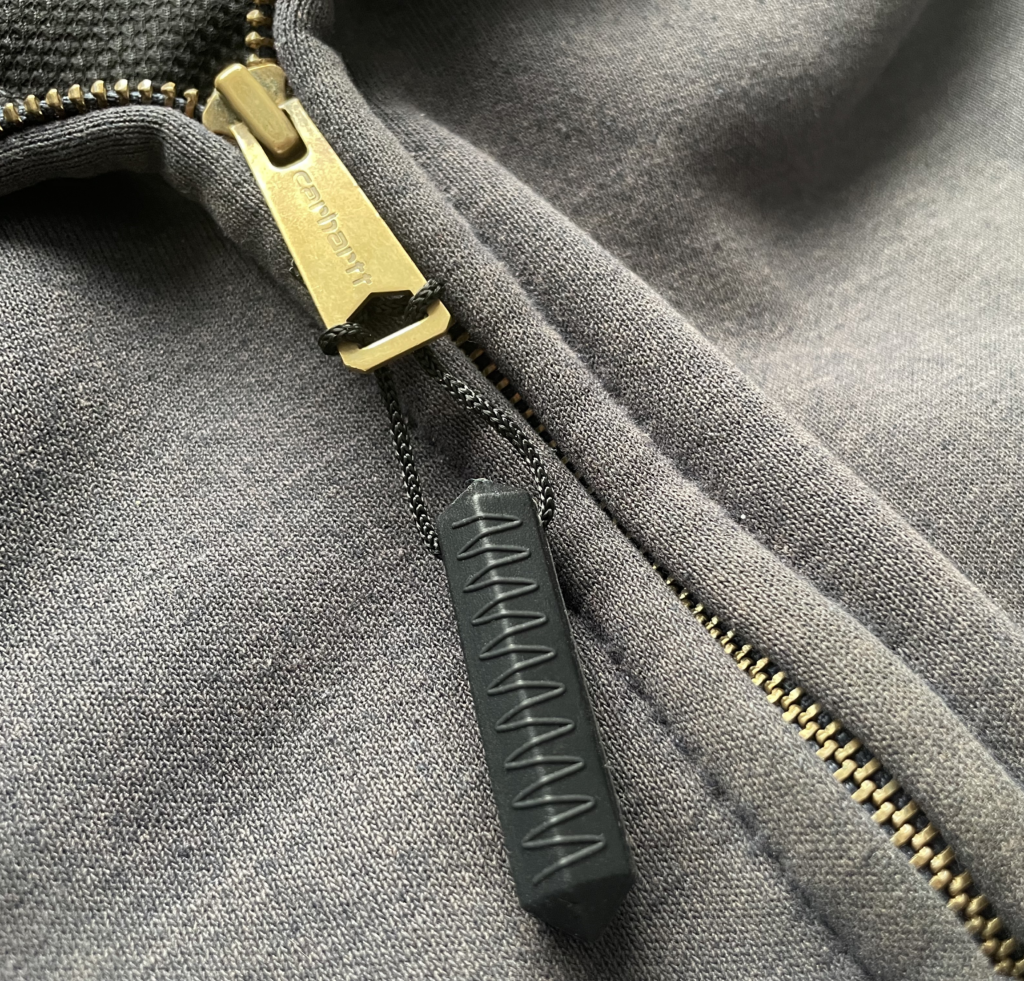
Excitingly, there are several different options now for chews other than pendants. This includes Zip Chews, Hoodie Chews, Pencil Toppers and Oojamabobs is the only company to offer custom made clip-on lanyards, ideal for those who are uncomfortable with something around their necks.
Some people have a real NEED to chew non-food items, like hoodie strings, sleeves, pens and so on. A lot of these items aren’t safe to chew and can even damage your teeth, so chewellery is a safe alternative.
Also, chewellery can really help you save money. It can be very expensive to keep replacing clothing, I know many parents have spent a LOT replacing logo school jumpers for example.
So if you are someone who chews, chewellery is a safe, inexpensive alternative to help keep your teeth (and body) healthy.
This is a really interesting question and is probably top of the list when I’m asked questions about chewy jewellery. There are several different reasons for chewing, let’s start with concentration.
If you chew or have a loved one that chews, you may have noticed chewing often takes place when trying to concentrate. In educational settings, if you look around when students are working and focusing on something, you’ll often see someone chewing on a pen thoughtfully, or biting their fingernails while they read. In offices you’ll see adults doing the same!
One research study showed that chewing gum significantly improved concentration in one group versus a control group who performed the same tasks without chewing gum.
Soldiers have even been issued chewing gum to help with concentration and anxiety.
This takes us onto one of the other reasons. Anxiety. This is a really common reason for the neurodiverse. Scientists don’t know the exact reason why, but chewing is very commonly used as a coping mechanism for anxiety. Some studies have shown that chewing reduces cortisol levels (this is a hormone released when we are stressed). Many parents tell me they see chewing behaviours increase during stressful times and often, as their children get older and develop alternative coping strategies, chewing behaviours often decrease and stop altogether.
Another reason for chewing is just for sensory input. Some people may be hypo-sensitive to pressure, meaning they need more pressure than others to experience a similar sensation. These individuals may chew to meet that need of deep rhythmic pressure.
The important thing to remember here, is if someone chews, they really NEED to chew. Trying to get them to stop just isn’t going to work, the habit needs to be transferred to something which is safe to chew, or they need an alternative which meets that need, such as working on reducing their anxiety by changing the environment and reducing stressors, or if they are a sensory seeker, providing other deep pressure activities to meet that need.
Chewy jewellery is specially designed as a safe alternative to chewing non-food items, like sleeves, pens, pencils, toys and so on.
Sensory Oojamabobs chewy items are made from non-toxic, 100% food grade silicone, which has been designed specifically for chewing. The pendants and other chews are BPA free, metals and phthalates free, waterproof, heat-resistant and every necklace has a breakaway clasp to ensure safety.
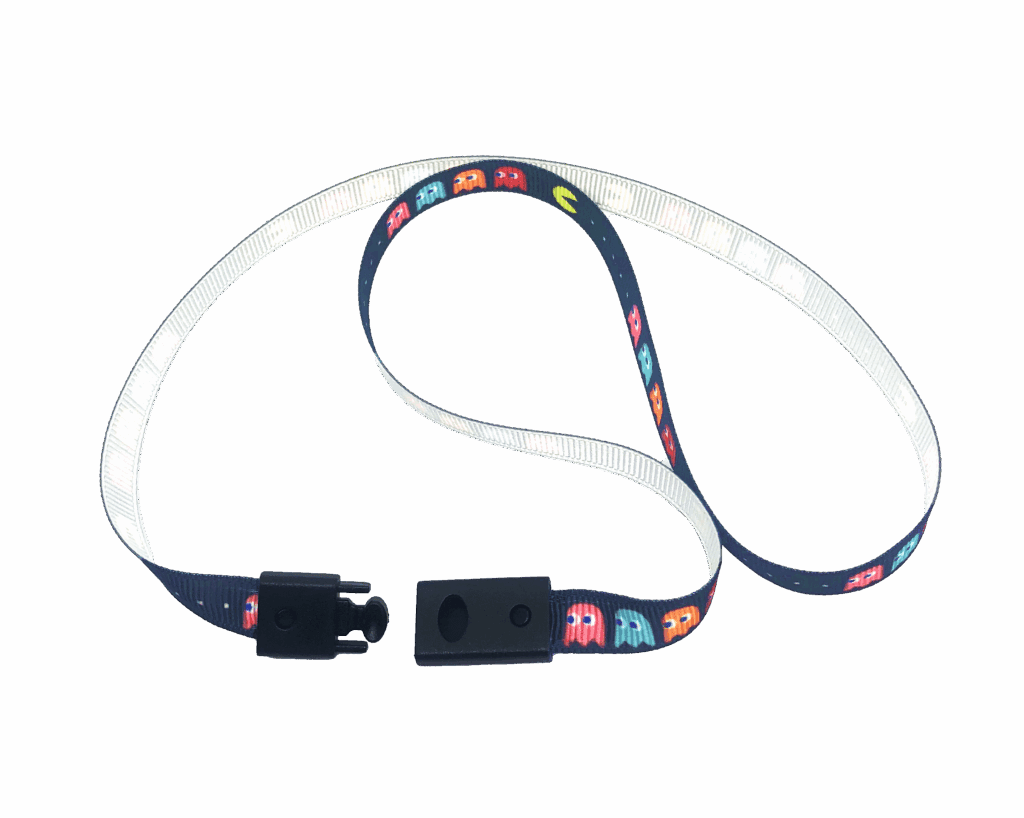

Absolutely they can. Chewable jewellery is for everyone. A huge number of adults chew; it’s really very normal. Next time you’re on the train or bus, have a look around you, I bet you can spot several adults chewing on a pen, their nails, their coat collar. Some of my adult customers are nervous about buying chewy jewellery and they worry that chewing in public will make them look weird, but it’s really surprisingly normal for adults to chew, it’s not something you notice unless you look for it, but so many people do it.
I think it’s becoming more acceptable to embrace sensory needs, but understandably, some adults prefer more discreet, subtle necklaces which don’t stand out, check out my other videos to see my discreet chewable jewellery range.
This is probably not what you want to hear, but, the short answer is, you can’t. Chewing is a sensory need and if your child is chewing, there’s a really good reason. And right now, they NEED to chew. There are 3 major reasons why your child may be chewing and top of the list is anxiety.
If your child is chewing due to anxiety, in some ways this is a good thing. It means they have found a strategy which helps them self-regulate and keeps them calmer. You might be able to reduce the amount they chew, by managing the anxiety itself, but chewing is a great tool for self-regulation. You could try introducing more calming sensory activities, such as quiet music in a darkened room with some nice lighting. This can be really useful after school as a wind down activity.
Another reason children chew is for deep pressure sensation. For children who are deep pressure seekers, they may like to have a massage, or have a ball rolled over their arms and legs.
My son likes to use our gorilla gym to hang upside down, do backflips and generally fling himself around!
It’s about meeting that need for deep pressure in some other way.

Many children chew while concentrating. Studies have shown that chewing can help us concentrate, which is why a pen is a common item to chew, since we’re usually concentrating if we have a pen in our hand.
The bottom line is, if your child is chewing, it’s a need they have and they’re unlikely to just stop. The best strategy is to provide your child with items which are safe to chew and help them to meet their sensory needs in other ways as well.
Hopefully this has answered some of your questions about chewy jewellery and chewing! It’s my aim to get chews normalised and more widely accepted and I think we’re slowly getting there.
More mainstream schools are accepting chew jewellery and no longer categorising it as only necessary for those with diagnosed additional needs.
An even bigger development I’ve noticed is I see more adults buying chews for themselves and unconcerned about discretion, which makes me so happy!
If you need to chew, you need to chew. Use tools in life that help you and make you happy and sod what anyone else thinks 🙂
1. Introduction It took me a long time to apply for any kind of disability benefits for me or my
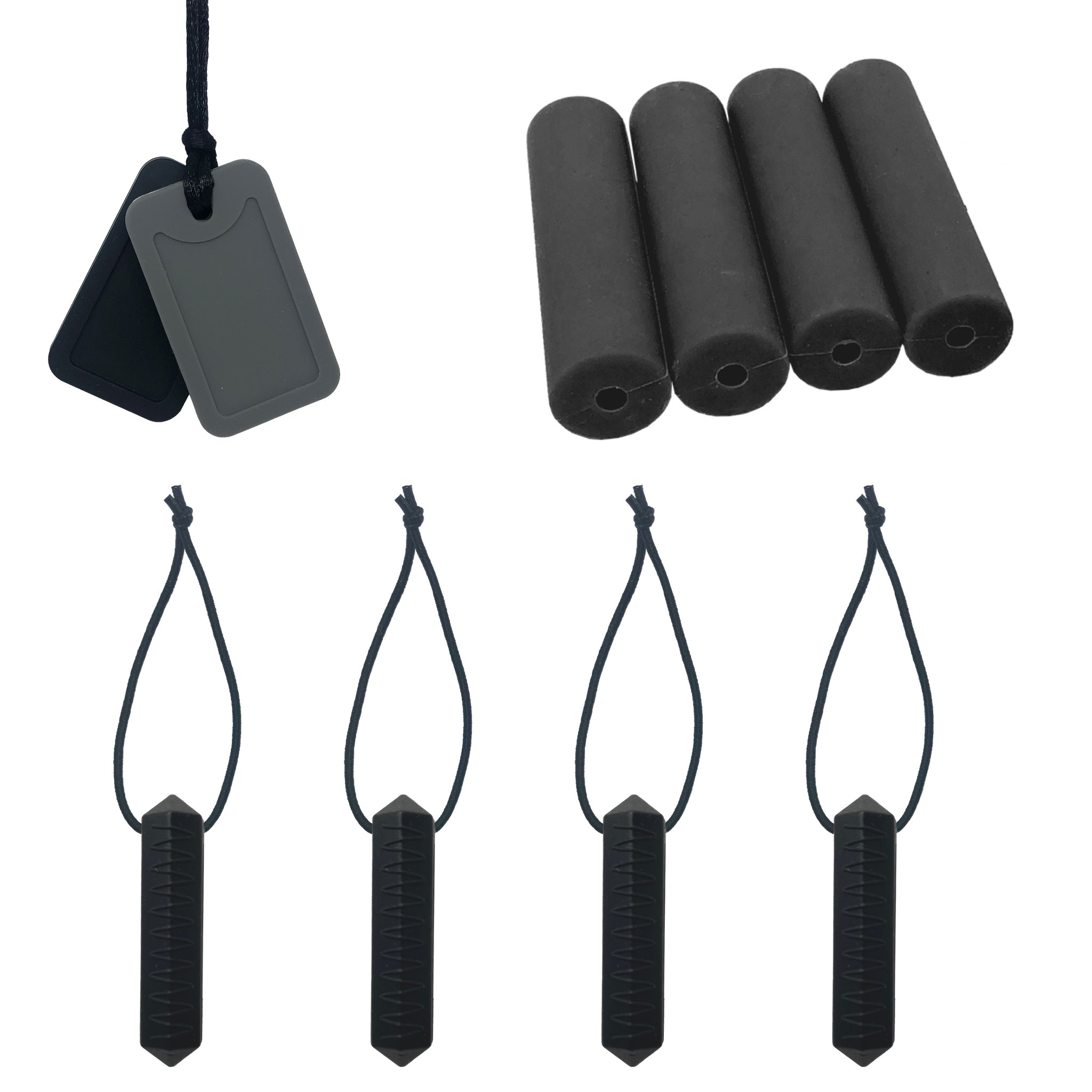
Blog Post Outline: 1. Introduction: Why Discreet Chewy Jewellery Matters Chewy jewellery are purpose-made wearable items, made from food-grade silicone
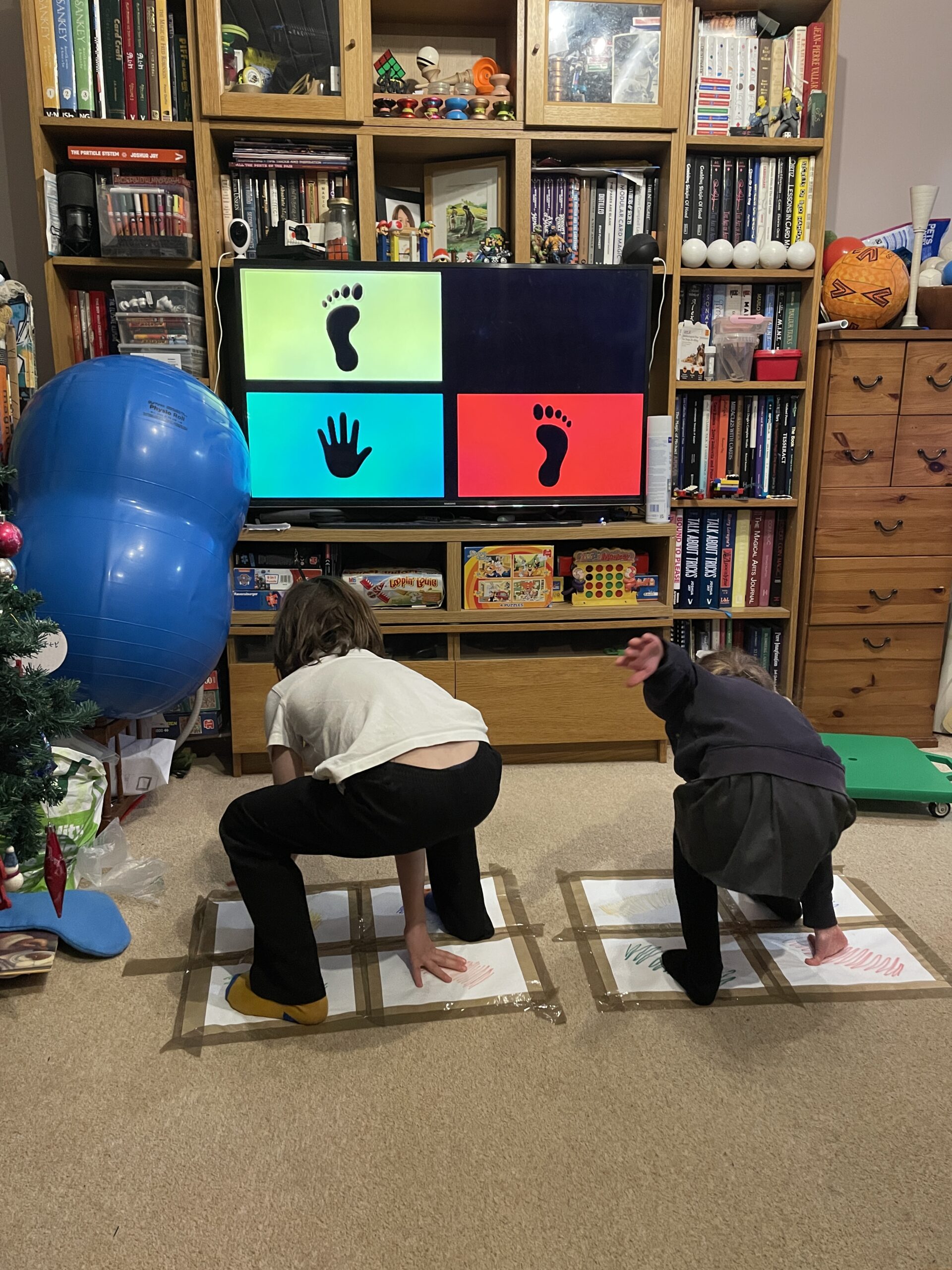
1. Introduction Screen time is one of the biggest parenting debates. It always seems to blow up the comments section,