A Parent’s Guide to Disability Benefits for Children: DLA, Carer’s Allowance, UC and More
1. Introduction It took me a long time to apply for any kind of disability benefits for me or my

Screen time is one of the biggest parenting debates. It always seems to blow up the comments section, with some parents talking about the positives they’ve experienced and at the other end of the debate, parents who have a no screen household. Inevitably, neurodiversity is mentioned.
I’ve been wanting to write a blog post about this for a while, as with two very different children, I can see why various parents have different attitudes to screens.
I’m going to talk about what screen time has looked like in our household both past and present; the many things we’ve tried to reduce arguments, meltdowns and parental stress; plus the differences I’ve observed in regulation/dysregulation when it comes to my kids and my friends’ kids.
When my eldest was about 18 months, he became super into The Wiggles. He was a late talker (we relied heavily on baby sign and makaton) and developed his own sign to ask for The Wiggles, alternately jabbing his two index fingers into the air, in an attempt to copy their signature dance move.
When watching, he was like a little zombie. It was impossible to get his attention and turning it off resulted in the mother of all screaming fits. I don’t remember a great deal about how we managed it back then, just that the whole thing was stressful and unpleasant.
I was overly aware of the whole ‘screens are bad’ line we so frequently hear and so oscillated between ‘I just need 10 minutes to myself’ and ‘I’m damaging his TINY BRAIN!’
However, I was pregnant with my youngest and the sanity saving lure of The Wiggles won out. I continued to limit my son’s screen time though and he probably got around 20 minutes a day.
As my son got older, his tendency towards screen addiction became quite apparent. He would watch ANYTHING if it was on a screen, including sitting with my mother and watching a tennis match. If we were out, he would spot a screen from across the room, be drawn to those in the window of a shop; the news shown in a cafe; he would even watch football (a true testament to his addiction; my son is utterly scathing about football). It seemed his eyes were just irresistibly drawn to the movement and colours and he could not pull himself away.
I dreaded going to friend’s houses where they could be more relaxed about screen time, knowing my son wouldn’t go off and play with his friends, but would just stand in the living room, open mouthed, fixated on the screen.
Enter, my youngest. My daughter came along when my son was just over 2 years old. As is often the way, she became exposed to many things earlier as a result of having an older sibling. But imagine my surprise (and later, believe it or not, my dismay) when she showed little to NO interest in the TV. It just didn’t hold her attention for more than a few minutes at best. Initially I was pleased to see this, thinking ‘thank goodness we aren’t going to have another screen addict’.
But later we were deep into the pandemic and I was STRUGGLING. I started to actively wish she would watch TV so I could just have a few minutes to myself while my kids were safely absorbed in watching something. I remember desperately texting a friend to say ‘I know this is a ridiculous thing to wish, but will she EVER watch TV for more than 2 minutes?!’
Fast forward 4 years and sure, my daughter enjoys screen time, like most of the kid population. But in a much more measured way.
The two of them will be (seemingly) engrossed in an activity, but at 5pm (or whatever that days start time is) my son, ever hyper-aware of the time, leaps up, abandoning their half-built joint creation and flies into the living room where he gleefully turns on the switch and instantly loses himself. My daughter will often choose to carry on with what she’s doing, after weighing up what is more appealing. She will nearly always choose an activity like crafts, baking or really anything we do together, over screen time. Put on a movie for her and often she’ll wander away from it after half an hour or so, bored and looking for something more fun to do.
I can’t think of times we’ve had big arguments or tears/meltdowns from her due to turning off the TV.
The contrast between my two really shows how there is no ‘one size fits all’ when it comes to screentime.
It probably won’t surprise you to hear most of my good friends are neurodiverse, with neurodiverse kids. As the kids have got older and their neurodiversity has become more apparent, spending time with those who ‘get it’ due to firsthand experience has become paramount.
I’ve learnt a lot from seeing how different families approach screen time and the different ways it works for them. Pre-kids, I’m sure I was pretty judgemental about screen time and had fixed views about how it should be done for ALL kids.
Now I am humbled and I see how much it can help some children to regulate. My friend’s autistic son with high support needs has huge struggles from sensory issues and can only cope out of the house for a couple of hours. He requires a great deal of support to regulate and one of those major supports is his tablet.
I’ve seen firsthand how much he has learnt from his tablet. He was non-verbal, but it has massively helped him develop his language skills and now he is developing conversational skills. He taught himself to read, taught himself spanish and is developing an ever-widening knowledge of the times table. His knowledge about planets and the solar system is vast and it has been an absolute joy watching this wonderful boy develop and flourish. His knowledge is expanding all the time, I honestly don’t know what they would do without this tablet and I wonder where he would be in terms of his development if he hadn’t had this access to it.
Another family close to ours have no limits on screens. Their children use screens to regulate, but unlike my eldest, they will stop when they have had enough, put the screens down and go out to play, or get involved in an activity. When we’ve been out and they’ve overwhelmed, they’ll get their phones out and play a game or something, then when they’re regulated, often after just a few minutes, it gets put away and they return to playing.
I am very fortunate in that my friends fully understand that it’s different for my son and they understand why we limit his screen time and we often have a quick exchange before hanging out about how we’re going to manage screen time between us on the visit, to ensure we don’t have any issues managing the different needs of our collective children.
For our son and for many other children I know, screen time can have the opposite effect and be totally dysregulating. Sure, they’re sitting still and appear calm while they’re watching, but when that screen is switched off, then we see the impact.
For a friend’s eldest, it’s huge meltdowns involving a great deal of aggression which have been harder to manage as their child has become bigger and stronger.
For others, including us, it’s hyperactivity. Our son appears high as a kite, flying through the house, bouncing off the sofa, making silly noises, crashing into rooms, getting in people’s faces; his impulsivity through the ROOF. It’s exhausting and inevitably ends badly in some way, with an upset sibling, something getting broken or at the very least, one stressed out and incredibly overloaded parent.
Different children will respond differently to screens. If you are lucky enough to have a child that isn’t fussed by screens and can easily limit their screen-time, then great, good for you! But please understand that for other children, it’s a fantastic tool for self-regulation. And then still, for some OTHER children, strict limits are essential.
Bottom line is; you do you. Stop judging. We are all doing our best.
There is so much pressure on parents these days. Be stricter, firmer, have better boundaries, but also don’t ever shout or they’ll need therapy later. Your child must eat 5 fruit and vegetables a day. But also, let them choose whatever they want to put on their plate and don’t put pressure on them to eat. No screen time, ever. Except Times Tables Rockstars or Numbots, then your child will get a certificate for most time spent on a screen.
I’ve felt judgement for the strict rules we have around screen time. I often feel the need to over explain why we have the rules in place and worry people think ‘if you just let him have more screen time, he wouldn’t be so desperate for it’, or I worry people will think if I’m so strict about his screen time, then perhaps I’m judging them for their more relaxed approach.
The reality is, I despise being so militant about screen time. I’d love to be able to go, ah let’s cuddle up on the sofa and watch a movie, without it causing issues another time.
In particular, it feels unfair on my youngest, who has to abide by the firm rules we have in place only due to her brother’s needs.
I think we all feel parental guilt about SOMETHING we’re doing or not doing with our kids. Many parents have expressed the guilt they felt this summer, where in trying to balance work and childcare, they gave their children a lot more screen time than they felt comfortable with.
It’s a far cry from my 80s childhood, where there was little concern or attention paid to how much screen time we had. Although, as I love to remind my children, we only had 4 channels and kids TV was only on for a couple of hours a day, none of this Netflix/Disney+ business!
I think whatever you choose to do around screen time (or indeed any parenting decision), someone is going to judge you. We just need to feel confidence in our decisions and be aware we are the people who know our kids best and make those decisions based on what works for US and our families.
We avoided it for as long as we could. I knew vaguely about minecraft from way before I had kids. As soon as my son was old enough to show his interests, I knew once he discovered minecraft it would become a full-on obsession, but like most parents I love to see my kid happy and I knew just how much he was going to love it. We had a Nintendo Switch already but we took the plunge and bought him minecraft for his 7th birthday. As predicted, it became his entire world.
Long monologues at the dinner table about Minecraft; he wanted to own everything minecraft, read every book about it and everything became about the time he got to spend playing it.
It wouldn’t matter how many warnings he received in the run up to turn off time. ‘Wait wait wait, I just need to….get somewhere safe/finish building the roof/kill this skeleton’ etc etc. There was never a good time to stop and every Switch session ended in both of us stressed and furious.
I found it really upsetting to see the extent of his addiction. The first words out of his mouth in the morning were about minecraft. I would pick him up from school and the first thing he would say to me was always ‘can we play as soon as we get home?’.
He would get home from school and ask Alexa ‘what’s the time?’ and then again every few seconds either until it was time to play or until I intervened and told him I’d unplug it if he continued.
In between his minecraft monologues, he would pester us relentlessly for extra screen time.
The moment he DID finally turn off the switch, he would instantly declare he was bored. He’d become extremely hyperactive and would bounce around the house, unable to get involved in anything except pushing everyone’s buttons.
He became quick to anger and anything which imposed on his screen time became the focus of his intense fury. Usually, this was me.
Dinner ready early, so screens need to go off. ‘But I haven’t had my full hour!’
anything related to a reduction in screen time caused arguments, shouting, screaming, door slamming and more.
Interestingly, we noticed other games didn’t have the same effect. Later we got some Super Mario game on the switch and although we still had monologues about what he was doing in the game, he seemed calmer, there was less resistance to turning it off and less frenetic desperation to continue playing.
Ive spoken to other parents who have noticed the same, we wonder whether it’s the open-ended nature of Minecraft. The utterly endless possibilities, the fact you never really ‘finish’ and there’s no good time to stop, whereas with games like Mario you finish a level or a boss and can complete the game.
We’ve had many times where we’ve told our son point blank that his behaviour in relation to the switch makes us want to just get rid of it completely. Sometimes I honestly don’t think the joy the switch brings him is worth the stress and conflict that comes along with it.
My eldest is now 8, my youngest 6. Over the last couple of years we’ve created various rules to try and manage behaviours related to screen time and to reduce the stress around it.
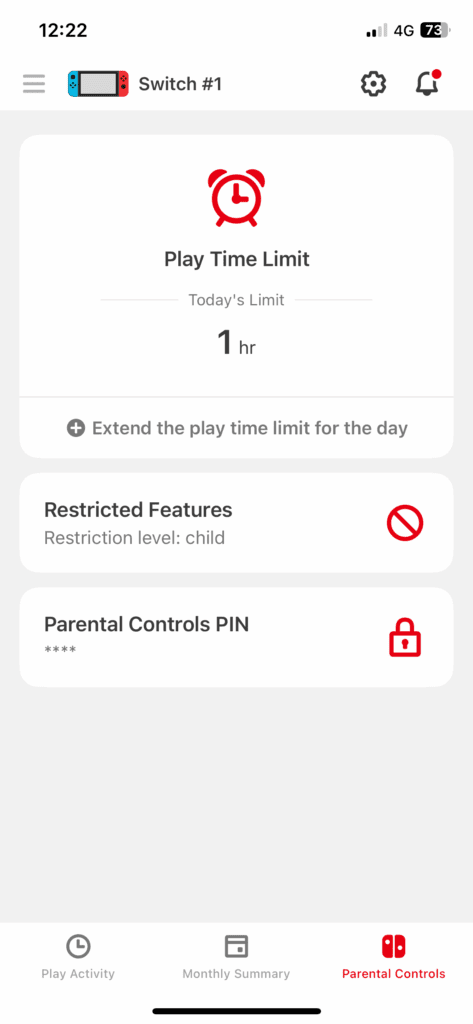
A lot of this is managing expectations. ‘You are allowed “up to” an hour, this does not mean you always get an hour, sometimes it will be 45 minutes, sometimes it will be an hour’
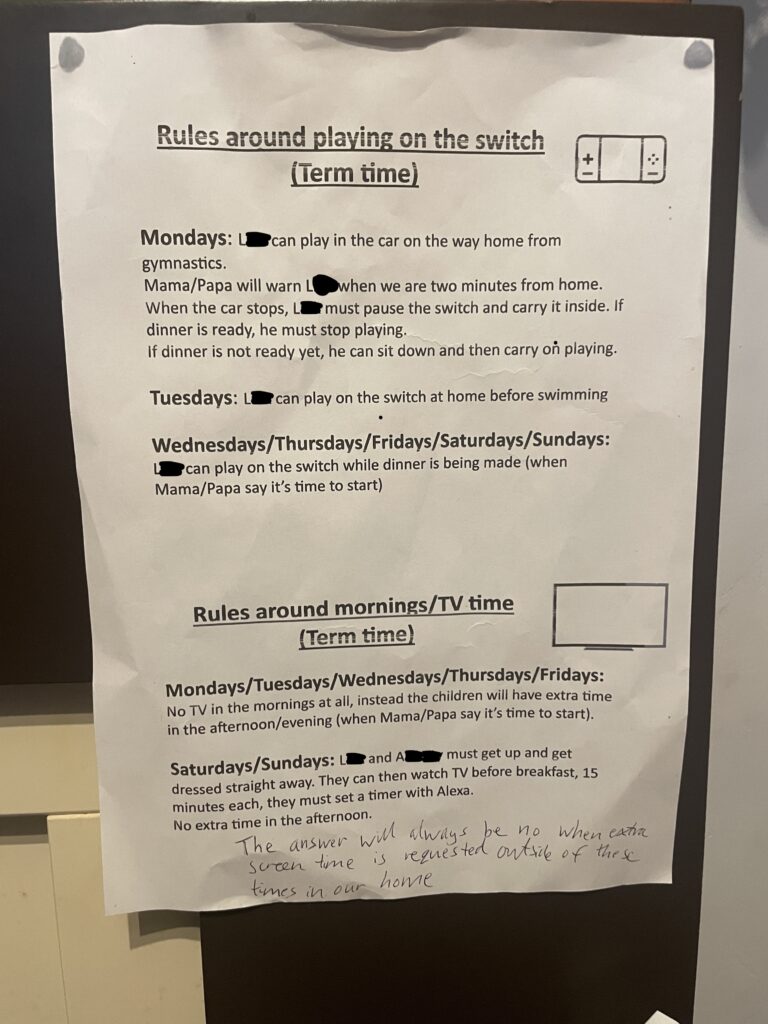
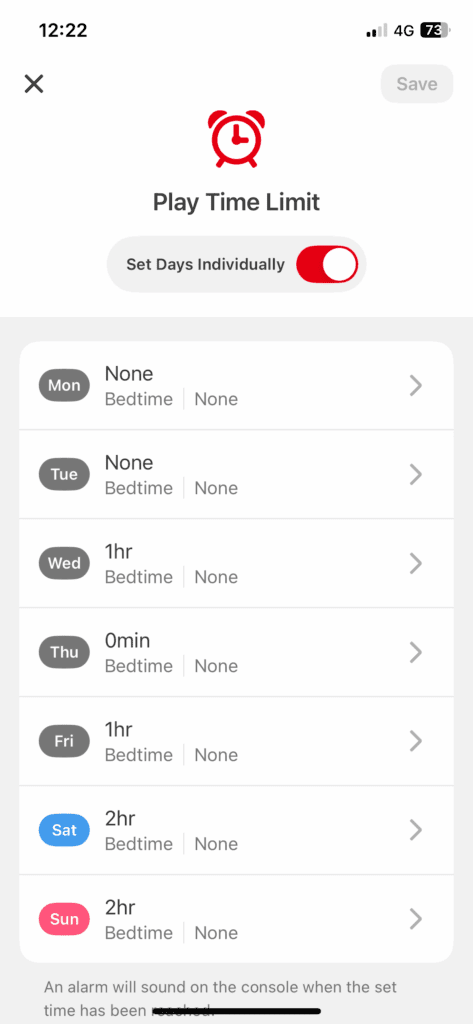
We started off with vague rules around what happened on certain days of the week in relation to the switch/screen time. This was then edited to specify rules around term-time vs non term-time, after a meltdown when we went from holidays back to school. I had to add an addendum to specify any requests for extra screen time will always be a no.
Later, we had to change the rules to specify exact times that the children were allowed to start screen time in the afternoons.
Recently, the kids after-school activities changed, so we have had to make yet another change to adapt to the different days (again, after a meltdown when my eldest expected to play after school one day, but it was now an ‘activity day’).
Early on, in desperation, we tried removing screen time as a punishment for poor behaviour. I was never on board with punishment, research indicates it is a poor way to manage behaviour and does not work, but I’m only human and in times of high stress we went nuclear, declaring ‘right, that’s it, NO SCREEN TIME!’.
This was clearly a bad idea and caused such a monumental amount of conflict with no discernable improvement in behaviour, that we quickly gave up on this.
However, we have explained to our son that where we see the switch having a detrimental effect on his behaviour, we will have a break from the switch for a while so his brain can reset. I’ve talked to him about addiction and what happens to our brains when we are addicted to something. We’ve talked about why we limit screen time in the first place, about how too much screen time is bad for kids and their developing brains. Now he’s older, he can finally digest some of this and understand (to a degree) we aren’t being mean, we’re being responsible and as his parents, his well-being is our responsibility.
Interestingly, as our son has got older, we’ve found we can relax more about screen time when it’s the TV. It doesn’t seem to have quite the same effect on his behaviour as the games console any more and turning it off isn’t a battle.
The only area where this doesn’t apply is YOUTUBE. I rue the day the kids discovered it. It started off with us finding funny videos to show them occasionally, then they would spot the suggested videos and go down a youtube rabbit hole. It’s unsurprising this led quickly to the ever popular ‘watching-other-people-play-video-games’ interest, for which I have honestly never understood the appeal.
Although we were aware of what the kids were watching, the vast majority of the time the kids screen time was ‘scheduled’ for when I was cooking dinner so I was never actually watching with them. When I did watch with them one day, something about it made me feel really uneasy.

The speed of the videos was unreal. The voiceover seemed to be at at least double speed, the scene changes and movements on the screen felt like a blur of colour and activity and the kids eyes were huge, fixated on the screen, closely tracking the constant movement and colour.
It wasn’t until my youngest was watching a live-action kids TV programme that I could suddenly see the huge contrast between the two types of TV time and realised why the minecraft youtuber videos made me uneasy. I felt like I could practically see the constant dopamine hits the kids must be receiving in the youtube videos, it was as if they were being mainlined dopamine through their eyes at high speed.
We swiftly banned youtube altogether and I felt immense relief. Speaking to other parents I found many others had felt the same and youtube was also banned in their homes.
A few months on, we now allow some youtube, but the kids have to ask us first and it’s mostly videos of hamster mazes and, delightfully, old school looney tunes videos. The kids LOVE road runner and wiley coyote and it’s wonderful to watch the full on belly laughs and cackles when they’re watching these old cartoons.
It’s important to say I think there are some positive things that screen time CAN bring. As above, it’s been wonderful to see our kids discover old cartoons and to see the timelessness of this humour.
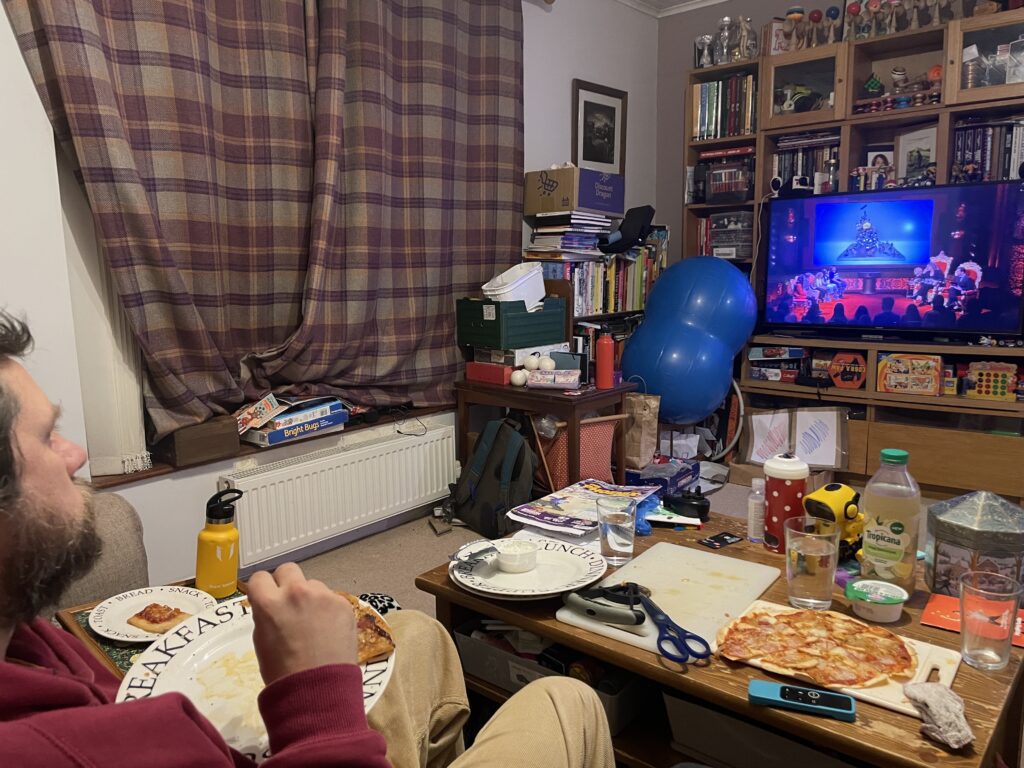
As a kid, I have really fond memories of watching Gladiators with my family and was keen to recreate something similar with my kids. So every Friday night, we sit down as a family and watch Taskmaster. We have a ‘junk’ dinner of something like chicken nuggets/pizza/burgers and we all snuggle up on the sofa, eat in front of the TV and discuss how we would each approach each task.
We all absolutely love Fridays and look forward to this quality time together.
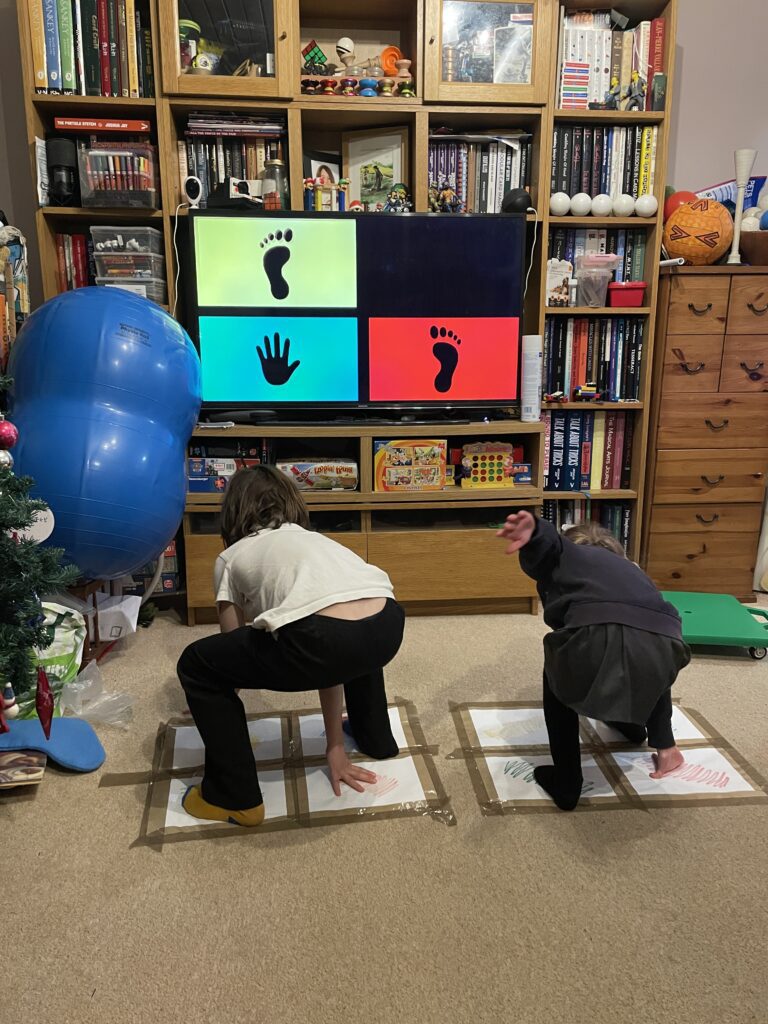
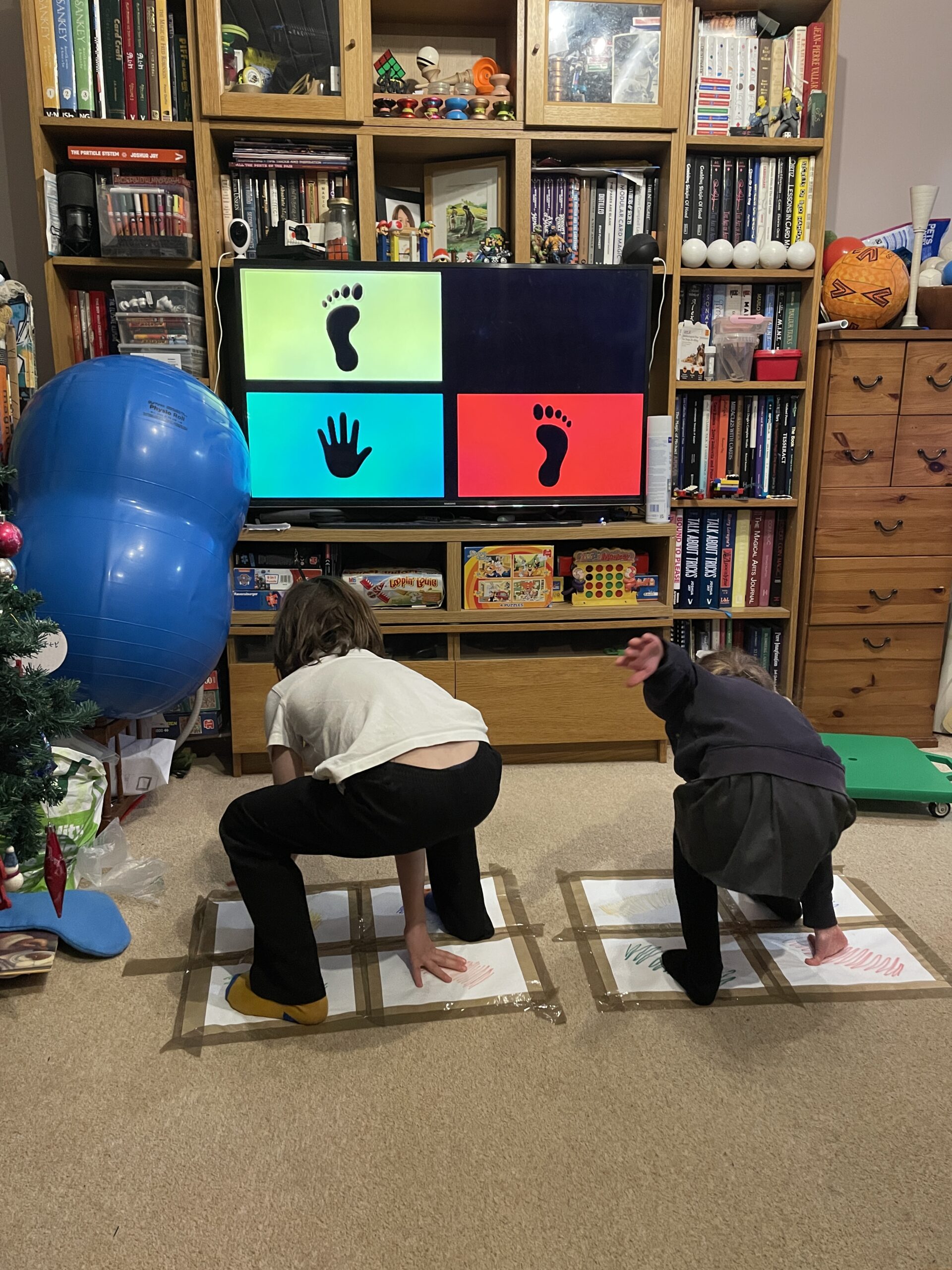
Our kids discovered ‘Brain Breaks’ which have been really great for my ADHDer in particular. This is on youtube and it’s a fun kids workout video. They are themed and my kids like the Minecraft (what a surprise!) and Mario ones. The video will give you the sensation of moving through a game and direct you to do things like jump left, right, dodge and duck to avoid missiles and rolling boulders. It’s great fun and a lovely way to do something active and get those wiggles out.
The image here is a colour step game where you tape coloured squares to the carpet and the kids have to follow the on screen symbols, jumping from one colour to another or placing hands/feet in particular coloured squares, a bit like a dance mat!


Screens have value and we accept they do have a place in our home. We all get some real joy out of screens, both separately and as a family. Personally I really enjoy playing word games on my phone and play Squardle and Octordle daily.
They definitely need managing however and it is a constant work in progress. I’m always battling my compulsion to pick up my own phone and to keep my screen time down, whilst balancing this with the fact I also use my phone for work and for life admin so would struggle to not use it at all.
We’ve learnt our kids are very different to each other and have different needs when it comes to screen time. We are also keenly aware what works for us might not work for other families. You have to forge your own paths and figure out what works for you.
Screens can be a very useful tool and when you feel like you’re drowning as a parent, don’t beat yourself up for sticking the TV on so you can breathe. Give yourself a break. We are all navigating the same messy reality and trying to achieve the right balance in life. And it’s bloody hard.
If you’re worrying about the amount of screen time your kids are having, chances are you’re doing an awesome job and your kids are great little humans.
I’d love to hear how you manage screen time in your house and PLEASE share if you have any tips for me or others!
If you enjoyed my blog, please check out some of my other blog posts here, like Calmer parenting: 10 Helpful Tips on how to be a calmer parent or 10 Top Tips for Children Who Chew: A Guide for Parents.
1. Introduction It took me a long time to apply for any kind of disability benefits for me or my
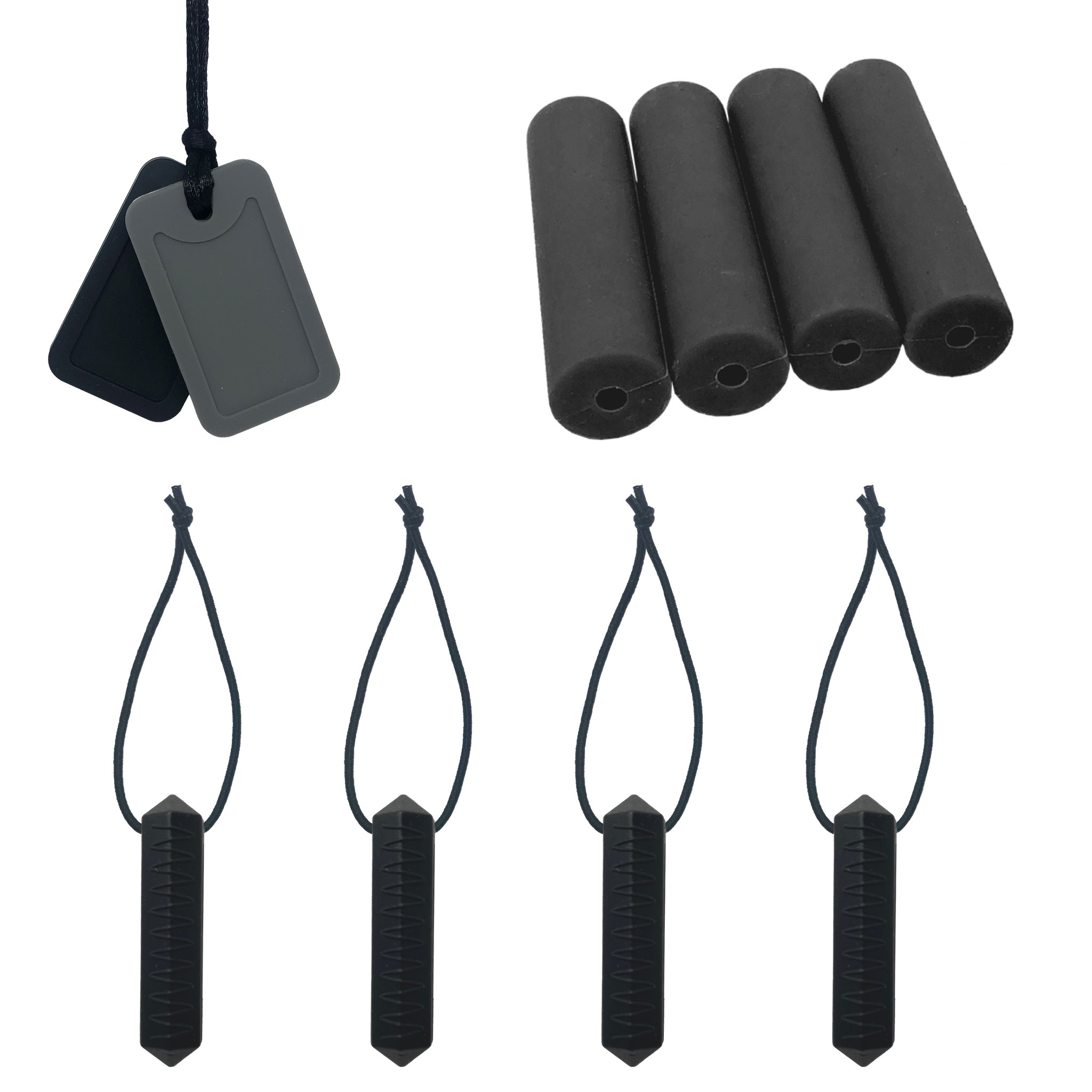
Blog Post Outline: 1. Introduction: Why Discreet Chewy Jewellery Matters Chewy jewellery are purpose-made wearable items, made from food-grade silicone

A blog post answering the top 5 questions about chewy jewellery